
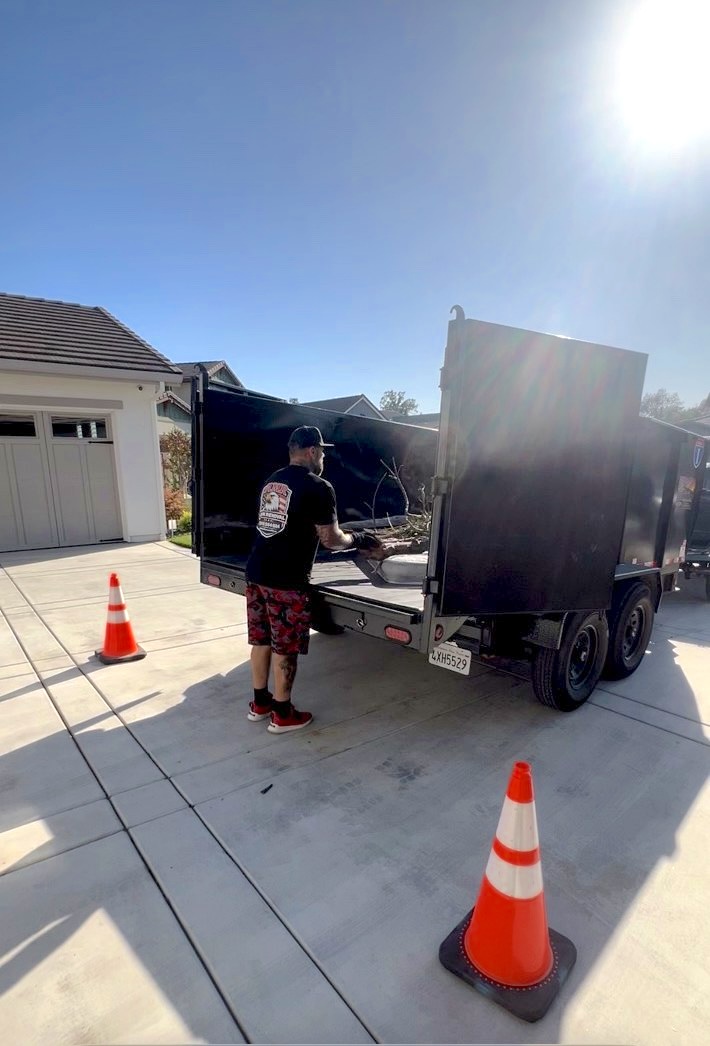
Do: decide what stays before we arrive
The single biggest time cost on a job is decision-making at the truck. If you're still deciding whether the bookshelf goes while the crew is standing there, the job stretches.
Walk the space beforehand and mark the keeps, not the goes — masking tape, a sticky note, or just moving the keepers into one corner. It's faster to protect five items than to identify fifty.
Do: send photos when you book
Photos get you a tighter, more honest quote and let the crew show up with the right equipment. Include the pile itself, the route out — hallway, stairs, gate — and anything heavy or awkward.
This matters most for hot tubs, pianos, safes, playsets, and second-floor appliances, where knowing in advance is the difference between a one-trip job and a rescheduled one.
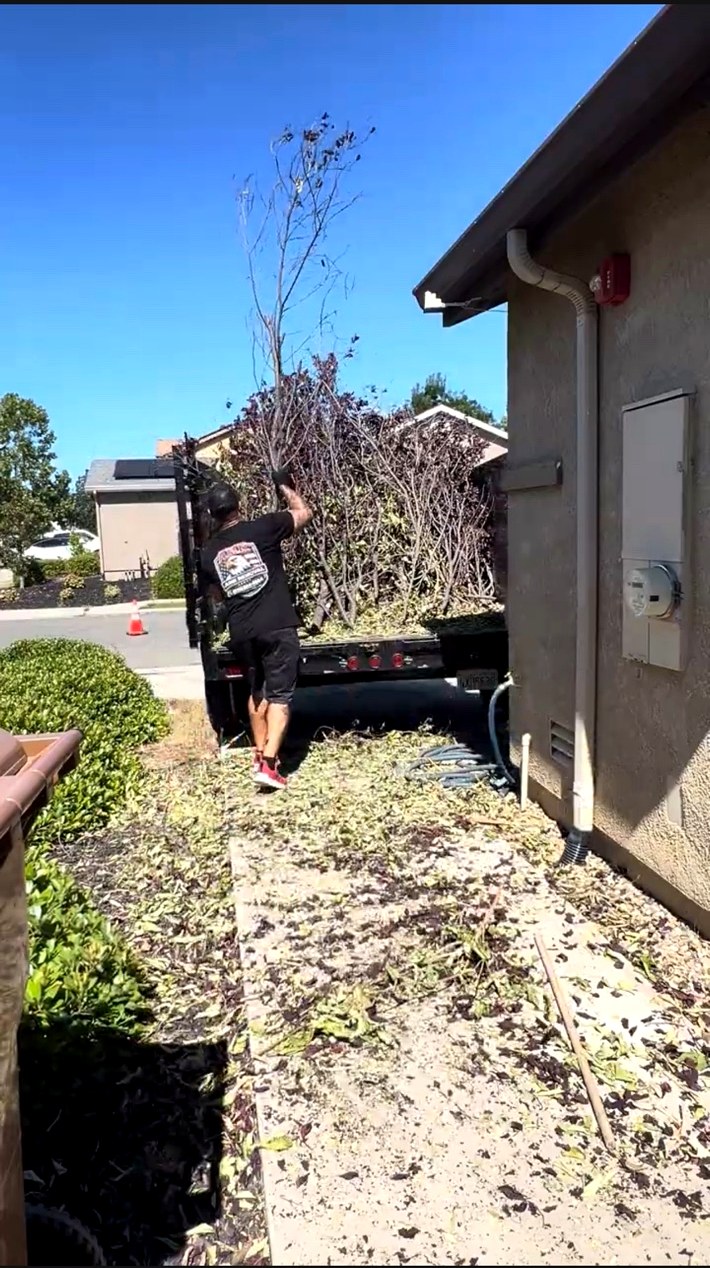
Do: flag the special items
Mention refrigerators, freezers, AC units, mattresses, tires, TVs, and anything you suspect might contain hazardous material when you book. All of it is normal; all of it has specific handling.
Don't: drag everything to the curb
This is the most common unnecessary thing people do, often the day before, often hurting their back in the process. Full-service means the carrying is ours. Leave the couch upstairs.
The one exception is if you specifically want a cheaper curbside-only rate — some companies offer it. Ask rather than assume.
Don't: clean before we clean
Sweeping the garage before a garage cleanout is wasted effort. We sweep the space after the load is out, which is the only sweep that survives.
Do: think about parking and access
A full-size truck needs somewhere to sit. If you're in an HOA community, a narrow driveway, or a street with permit parking, let us know when you book so we can plan the approach rather than circling the block.
If you have pets, plan where they'll be. Doors get propped open for a long time during a cleanout.